Real fur
Animal hair remains attached to dressed skin. Species, season, dyeing, shearing and garment construction all change how a piece looks and feels.
Clear answers about real fur, faux fur, labels, textures and care. No pretending every material is the same—and no dressing an opinion up as a fact.
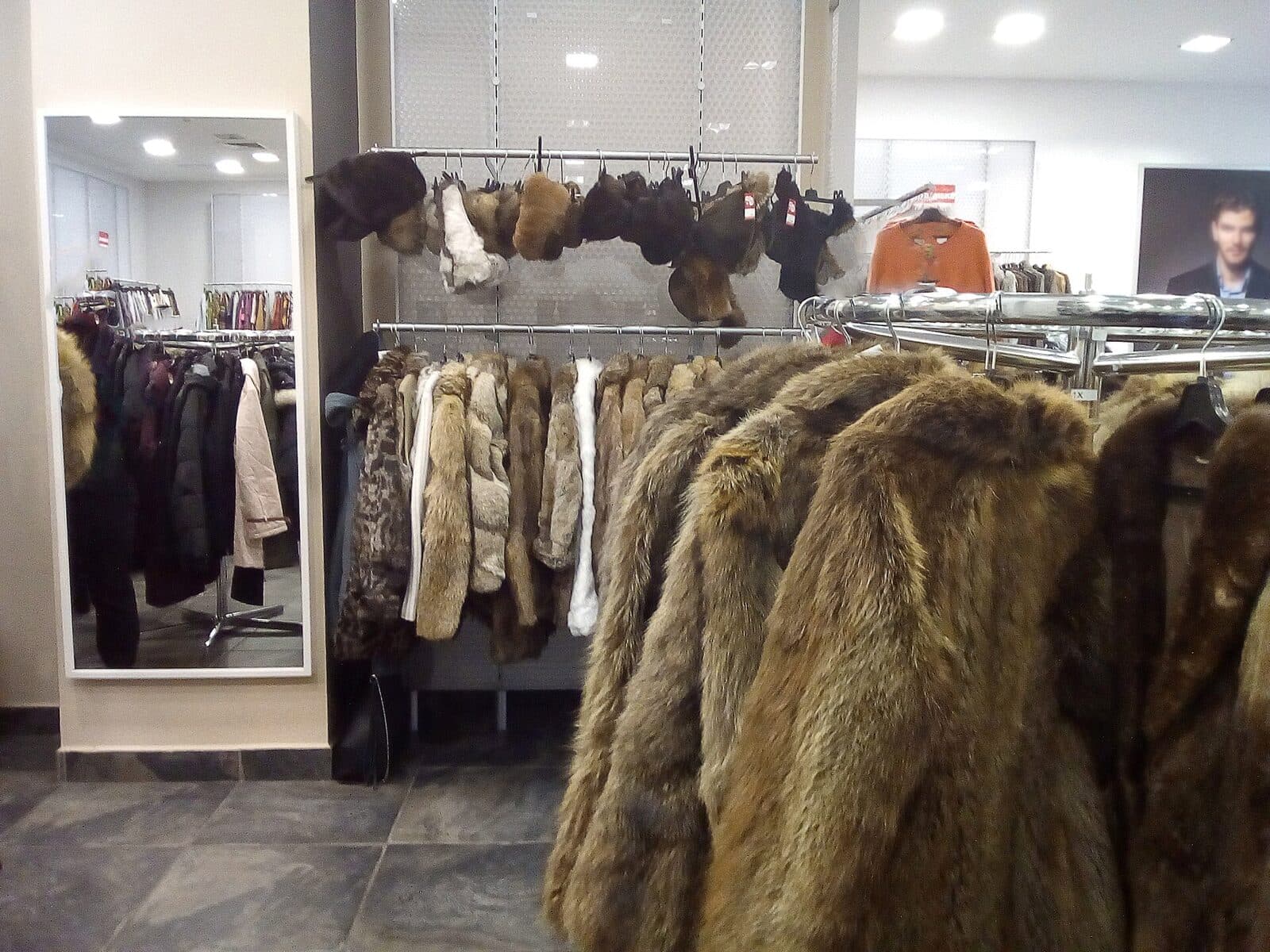
Useful before you buy, list, clean or try to identify a piece.
Each one gives the short answer first, then the detail for anyone who wants it.
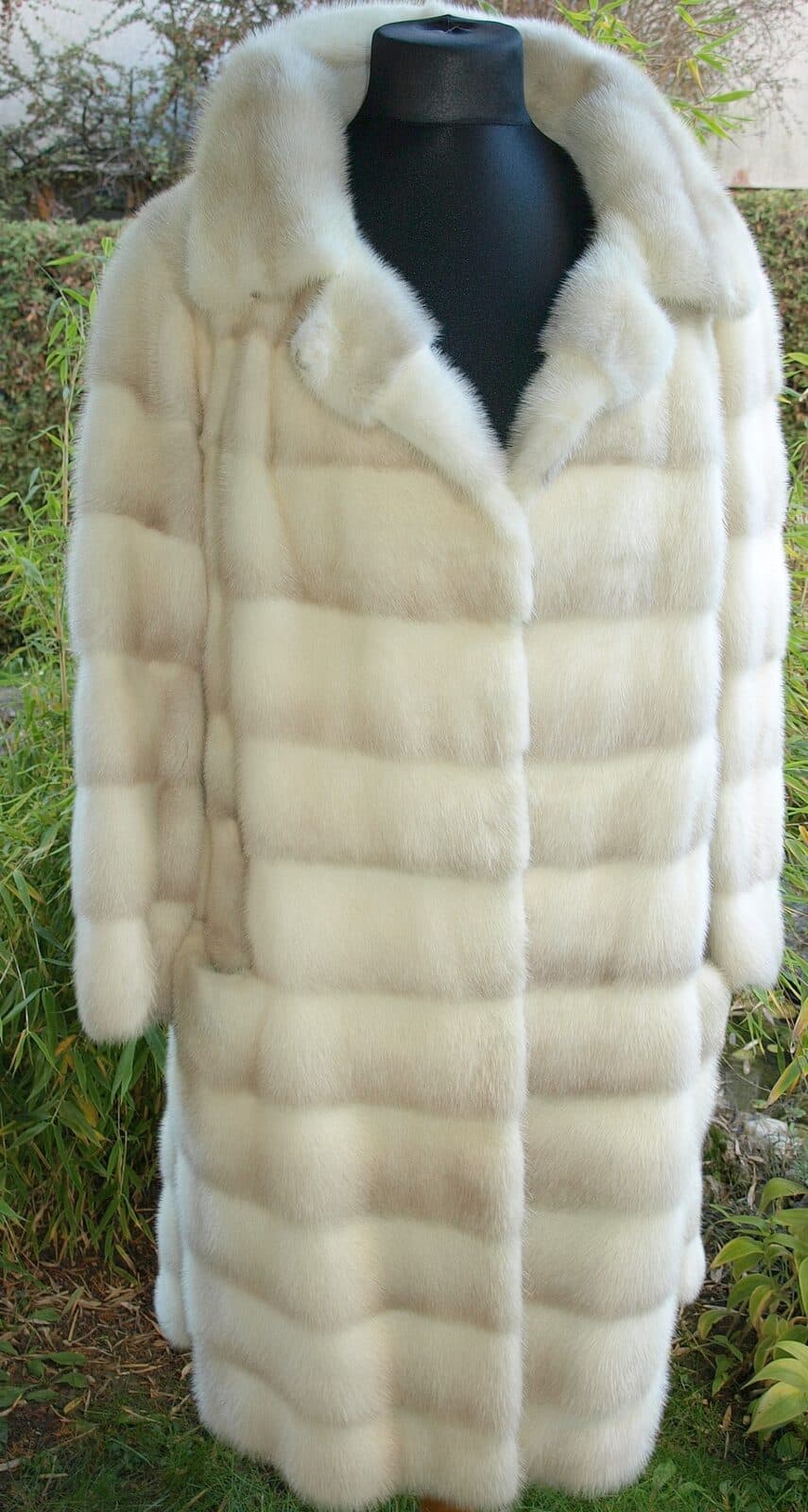
Compare materials, backing, feel, care and sourcing—and learn the useful ways to tell them apart.
Open the guide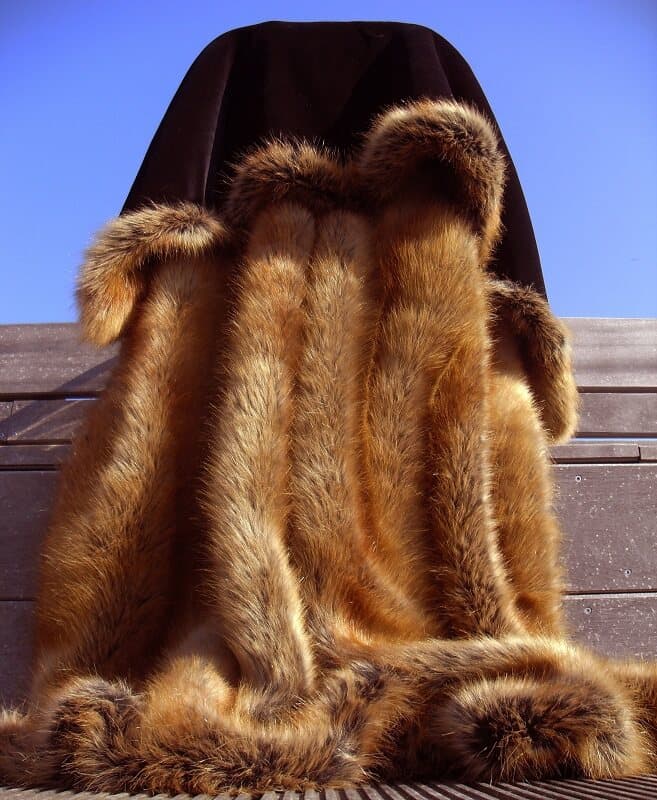
Separate instructions for real and faux fur, including rain, storage, cleaning, heat and flattened pile.
Open the guide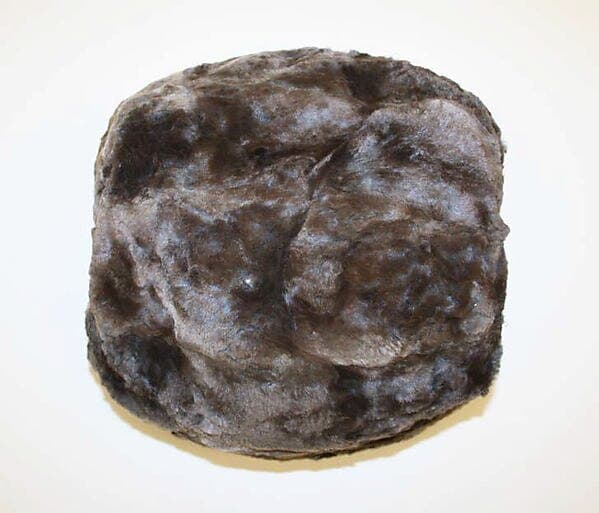
A visual-language guide to mink, fox, Rex rabbit and other real furs, plus faux piles, fibres and Tissavel.
Open the guide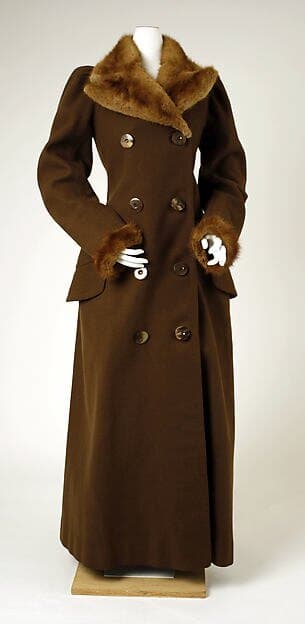
Inspect condition, request useful photos, compare measurements and understand the sale before you pay.
Open the guideAnimal hair remains attached to dressed skin. Species, season, dyeing, shearing and garment construction all change how a piece looks and feels.
A pile textile, usually made with synthetic fibres fixed to a knitted or woven backing. Fibre content, pile height and finishing make the quality range enormous.
A common label trap: “faux mink” describes a look. Tissavel identifies a faux-fur maker or branded material range. Neither phrase tells you the exact fibre percentages—check the composition label for those.
A backing or hair shape can be a useful clue. It is not permission to invent a species or origin.
Real fur, faux fur and mixed-material garments can be damaged by following one generic cleaning trick.
Where a claim depends on regulation, a manufacturer or specialist guidance, the source sits on the page.
Our separate welfare guide looks at farm systems, traceability and the limits of ethical or humane claims. It does not pretend a country name or certificate proves every farm performed well.