How to care for real and faux fur.
Real fur and faux fur can both be ruined by the wrong “easy trick”. Start with the care label, keep heat away and use the instructions for the material you actually own.
Published and fact-checked: 25 August 2026
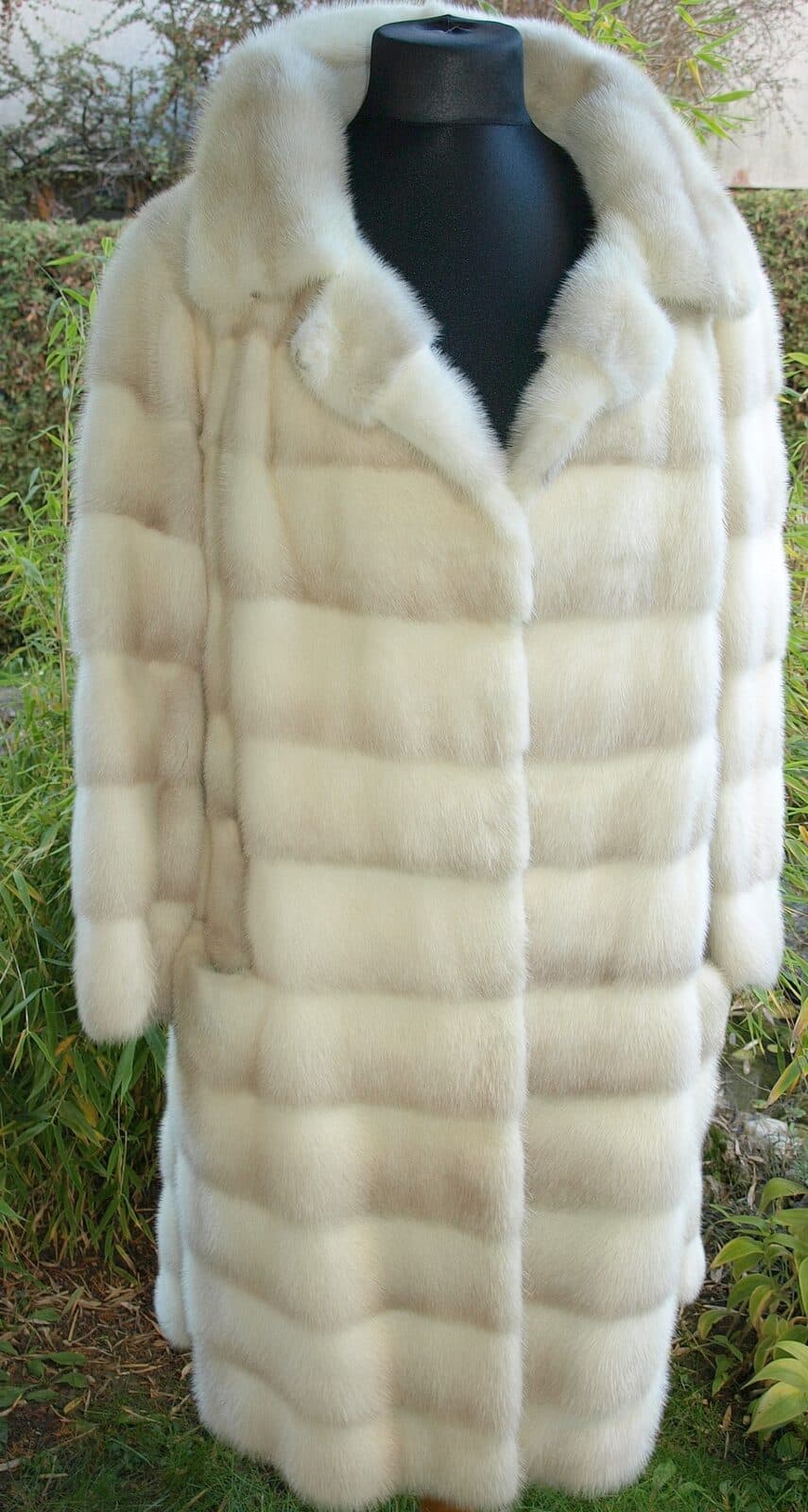 Real fur care
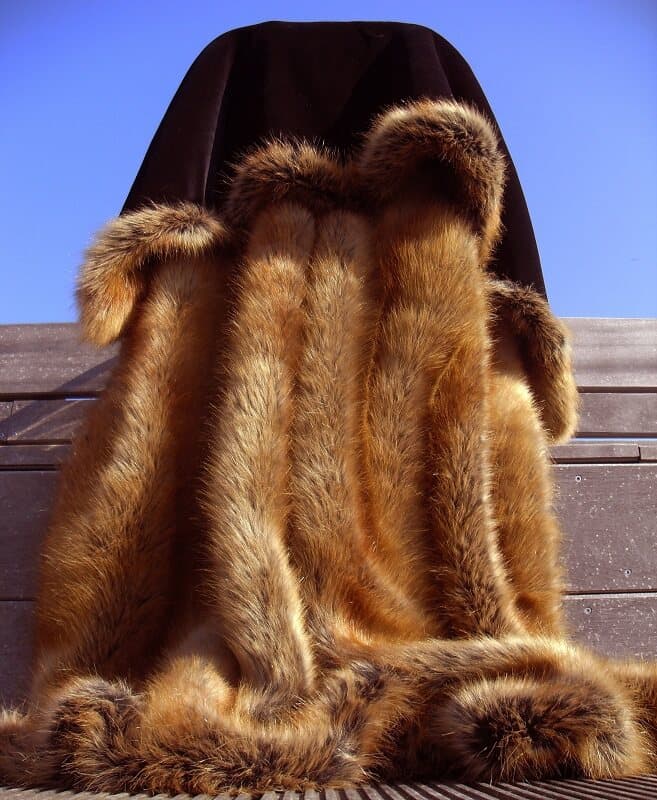 Faux fur care
The safest first move.
Read the sewn-in care label before adding water, detergent, steam or heat. If the material is unconfirmed, pause. Real fur normally needs a fur specialist; faux fur may be washable, but only when its own label says so.
Do this first.
Act gently. Rubbing, wringing and direct heat usually turn a manageable problem into damage.
| Problem | Real fur | Faux fur |
|---|---|---|
| Light rain or snow | Shake off loose moisture, hang on a broad hanger in a ventilated room and let it dry naturally away from heat. Do not brush while wet. | Blot or shake off moisture, reshape and air-dry away from radiators, hairdryers and tumble heat. Check the label before any further cleaning. |
| Thoroughly soaked | Do not wring it out. Contact a specialist fur cleaner promptly because the skin and shaping may need professional treatment. | Support the garment when wet, press with clean towels without twisting, and follow the label. Structured or dry-clean-only pieces need a professional. |
| Food, drink or makeup | Blot without rubbing, powders or household stain remover. Keep solvents and sprays off the hair and skin; ask a fur specialist. | Blot quickly with a clean white cloth. Spot-clean only if the care label permits and test an inconspicuous area first. |
| Flattened or tangled pile | Do not attack it with a normal hairbrush. A fur specialist can assess whether cleaning, glazing or repair is appropriate. | Once completely dry, gently separate the pile with fingers or a wide-tooth comb if the maker allows. Stop if fibres pull or shed. |
| Persistent odour | Air it in a cool, dry, shaded space. Do not mask it with perfume. Persistent odour or lining stains need specialist cleaning. | Air it first. If washing is allowed, use the exact label method; otherwise use an experienced cleaner for the whole garment construction. |
Specialist real-fur guidance says light rain can be air-dried away from heat, while a thoroughly soaked garment needs professional treatment. [1]
Protect the hair—and the skin beneath it.
Reduce friction and sprays
- Rotate shoulder bags. Repeated strap friction can wear a bald path into the fur.
- Apply perfume and hairspray first. Let them dry before putting the garment on.
- Do not pin jewellery through it. Pins can damage hair and skin.
- Give it breathing room. Do not crush it under tightly packed coats.
Hang it cool, dark and open
- Use a broad, strong hanger. Wire hangers can distort the shoulders.
- Avoid bright light and heat. Both can age or discolour the material.
- Skip plastic covers. Use a breathable cloth bag only when a cover is needed.
- Never use mothballs. Their odour is difficult to remove and chemicals can be harmful.
Use a fur specialist
- Do not home-wash real fur. Water, agitation and drying can stiffen or distort the skin.
- Do not assume a normal dry cleaner is suitable. Ask whether they specialise in fur.
- Ask for a seam and lining check. Small weaknesses are easier to repair early.
- Match frequency to use. Regularly worn pieces may benefit from annual specialist attention.
Control heat and humidity
- Use your coolest suitable space. Avoid lofts, hot cupboards and direct sun.
- Keep the skin from drying out. Cedar cupboards can remove too much moisture.
- Consider professional cold storage. It is the safest option for valuable pieces through warm or humid summers.
- Check before storing. Dirt, tears and damp are better dealt with first.
Why the specialist matters: real fur includes dressed skin, not just hair. Furcare.org warns that unsuitable household advice can speed up deterioration. [2]
Protect the pile from heat and matting.
Read more than the word “faux”
- Check the care label. Fibre, backing, lining, glue, trim and structure all affect the safe method.
- Fasten and empty it. Close zips, remove belts and clear pockets where the label permits.
- Test spot treatments. Use an inconspicuous area and a clean white cloth.
- Clean only when needed. Unnecessary agitation shortens the life of the pile.
Keep it cool and gentle
- Use cold water and a gentle cycle. Turn the garment inside out if the maker recommends it.
- Use mild detergent sparingly. Avoid bleach and unapproved additives.
- Do not twist or wring. Support the weight of wet coats and throws.
- Air-dry completely. Keep it away from tumble dryers, radiators, irons and hairdryers.
Wait until it is fully dry
- Shake it gently. This can release pile without pulling at the backing.
- Use fingers first. Separate small tangles instead of dragging a brush through them.
- Comb only if suitable. A wide-tooth comb or soft brush may help some piles; stop at shedding or resistance.
- Accept heat damage early. Melted or fused fibres may not be reversible.
Keep it clean, dry and uncrushed
- Use a suitable broad hanger. Heavy coats need shoulder support.
- Leave space around the pile. Long-term compression creates flat patches.
- Keep it out of sunlight. Light can fade colour and age fibres.
- Store only when fully dry. Trapped damp encourages odour and damages other materials.
Cold, gentle washing and air-drying are common recommendations for washable faux-fur fabric, but the sewn-in garment label still wins. [3]
Four things to keep away.
Hairdryers and radiators can dry real-fur skin and distort synthetic pile.
Perfume, stain remover, solvent and household sprays can mark hair, fibres, dye or backing.
Pulling through resistance can remove pile, break hair or enlarge an already weak patch.
Tight wardrobes and vacuum bags flatten pile and can distort the whole garment.
Common fur-care questions.
Can I wash faux fur in a washing machine?
Only when the garment label says you can. Some faux fur tolerates a cold, gentle cycle; structured coats, mixed materials, glued details and some premium piles may be dry-clean-only. “Faux” is not a washing instruction.
Can I put faux fur in a tumble dryer?
Avoid it unless the care label explicitly allows it. Heat can curl, mat or fuse synthetic pile and the damage may be permanent. Air-drying is the safer default.
What should I do if real fur gets wet?
For light rain, shake it gently and hang it on a broad hanger in a ventilated room away from direct heat. Do not brush or use a hairdryer. If it is soaked through, contact a fur specialist.
Should real fur be stored in a plastic garment bag?
No. Real fur needs air circulation. Use generous wardrobe space and, if a cover is needed briefly, a breathable cloth garment bag rather than plastic.
How often should real fur be professionally cleaned?
Specialist organisations commonly recommend regular, often annual, cleaning for worn garments. The right interval depends on use, climate and condition, so ask a qualified fur cleaner rather than an ordinary dry cleaner.
Can heat-damaged faux fur be restored?
Sometimes gentle separation improves pile that is merely flattened. Fibres that have melted, curled or fused from heat are often permanently changed, so stop before aggressive brushing makes it worse.
Sources used for this guide.
General advice cannot override the instructions for your exact garment.
- Fur storage and cleaningAmerican Fur Council · Specialist guidance checked 25 August 2026
Real-fur guidance covering broad hangers, ventilation, professional cleaning, light rain, direct heat, sprays and storage.
- Consumer fur-care guidance and specialist directoryFurcare.org · Reference checked 25 August 2026
A consumer resource warning that unsuitable home advice can damage fur and accelerate deterioration.
- Faux fur: use and careMood Fabrics · Updated 7 April 2025
A fabric retailer guide covering cool washing for washable faux fur, air-drying, storage space and gentle pile maintenance.