Different types of real and faux fur.
Real fur is normally named by animal species. Faux fur is better described by fibre, construction and pile style. Trade names mix those systems together—so let us untangle them.
Published and fact-checked: 25 August 2026
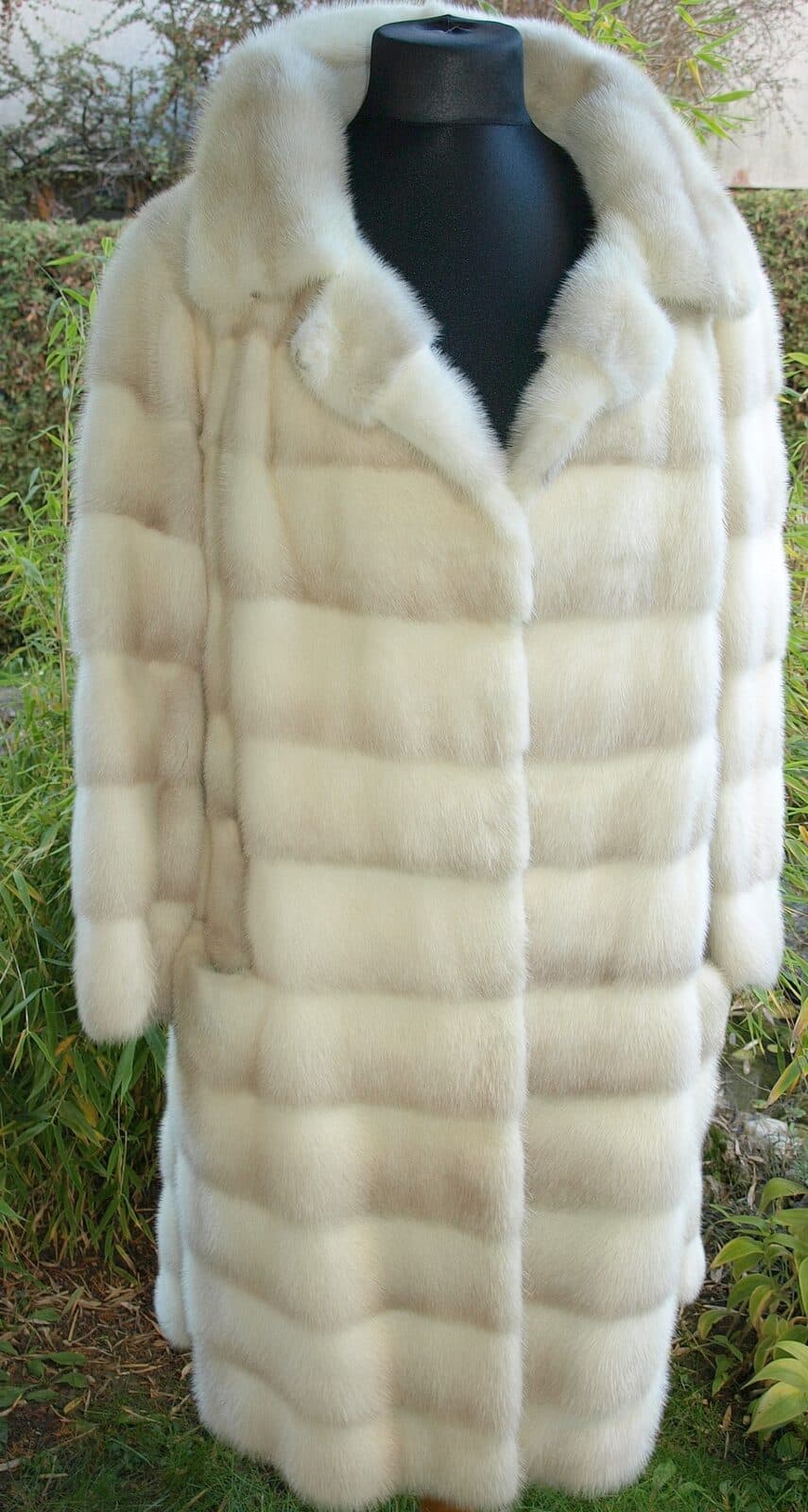 Species + finish
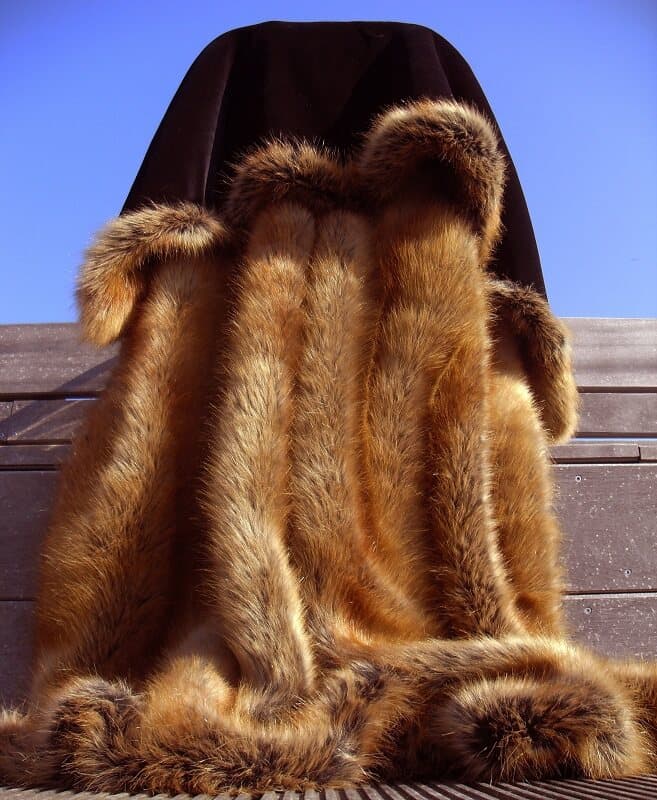 Fibre + pile
The simplest way to read a listing.
For real fur, ask “which species and what finish?” For faux fur, ask “which fibres, what backing and what pile style?” A name such as faux fox describes appearance. Tissavel names a faux-fur maker—not a new fibre category.
Species gives the starting point. Finish changes the look.
Dyeing, shearing, plucking and wear can make the same species look completely different. Many natural furs combine guard hairs with softer underfur. [1]
Mink
Usually recognised by compact underfur with short, glossy guard hairs. It can look smooth and relatively low-volume, but sheared mink becomes more velvet-like.
Fox
Long guard hairs over dense underfur create the familiar fluffy silhouette. Silver, blue, red, Arctic and other names can describe species, colour forms or trade categories.
Rabbit
Standard rabbit fur often has a soft, even hand and appears in coats, linings and trims. It can be dyed, printed, sheared or made to imitate costlier furs.
Rex rabbit
Rex has a notably even pile with less prominent guard hair than many ordinary rabbit furs. It is commonly used for soft hoodies, jackets, scarves and blankets.
Chinchilla
Known for very dense, soft underfur and a distinctive grey tonal pattern. The skin is delicate, so condition and specialist storage matter greatly on vintage pieces.
Beaver
Natural beaver has long guard hair above thick underfur. Plucked and sheared finishes expose a smooth, plush surface and can make it look unlike an untreated pelt.
Shearling or lamb
Shearling is processed sheepskin with the wool left attached. The face may be suede or leather, while the wool side can be curly, clipped, ironed or teddy-like.
Sable
Usually associated with a light, fluid hand, fine underfur and glossy guard hairs. It sits at the luxury end of the market, which makes evidence and condition especially important.
Mink, sable, chinchilla, rabbit, sheep, fox, beaver and other species all appear commercially, but their farmed, wild or food-linked origins differ. [2] For sourcing and welfare evidence, use the separate FurFinds welfare guide.
The useful categories are fibre, backing and pile.
Faux fur may be knitted, woven or tufted, with pile height and fibre blends changing its weight, realism and care needs. [5]
Faux mink
Usually short, dense and lustrous with a smooth hand. It may be polyester, acrylic, modacrylic or a blend; “mink” describes the intended appearance.
Faux fox
Uses longer fibres, often in multiple lengths or tipped colours, to copy the airy guard-hair effect of fox. Density and backing quality make a huge difference.
Faux shearling or teddy
Designed to resemble clipped lamb, fleece or shearling. Some “teddy” fabrics are fur-like polyester fleece rather than a separate faux-fur category.
Shag or long pile
Long, playful pile used for bold coats, accessories, interiors and costume. It may not imitate a particular animal at all.
Tipped or two-tone pile
Different colours at the base and tips create a more natural-looking shadow or a deliberately fantasy finish. Colour alone cannot identify the fibre.
Tissavel
Tissavel is not another animal species and not a generic fibre name. A Tissavel label supports that the pile is faux; use the composition label for exact fibres.[3]
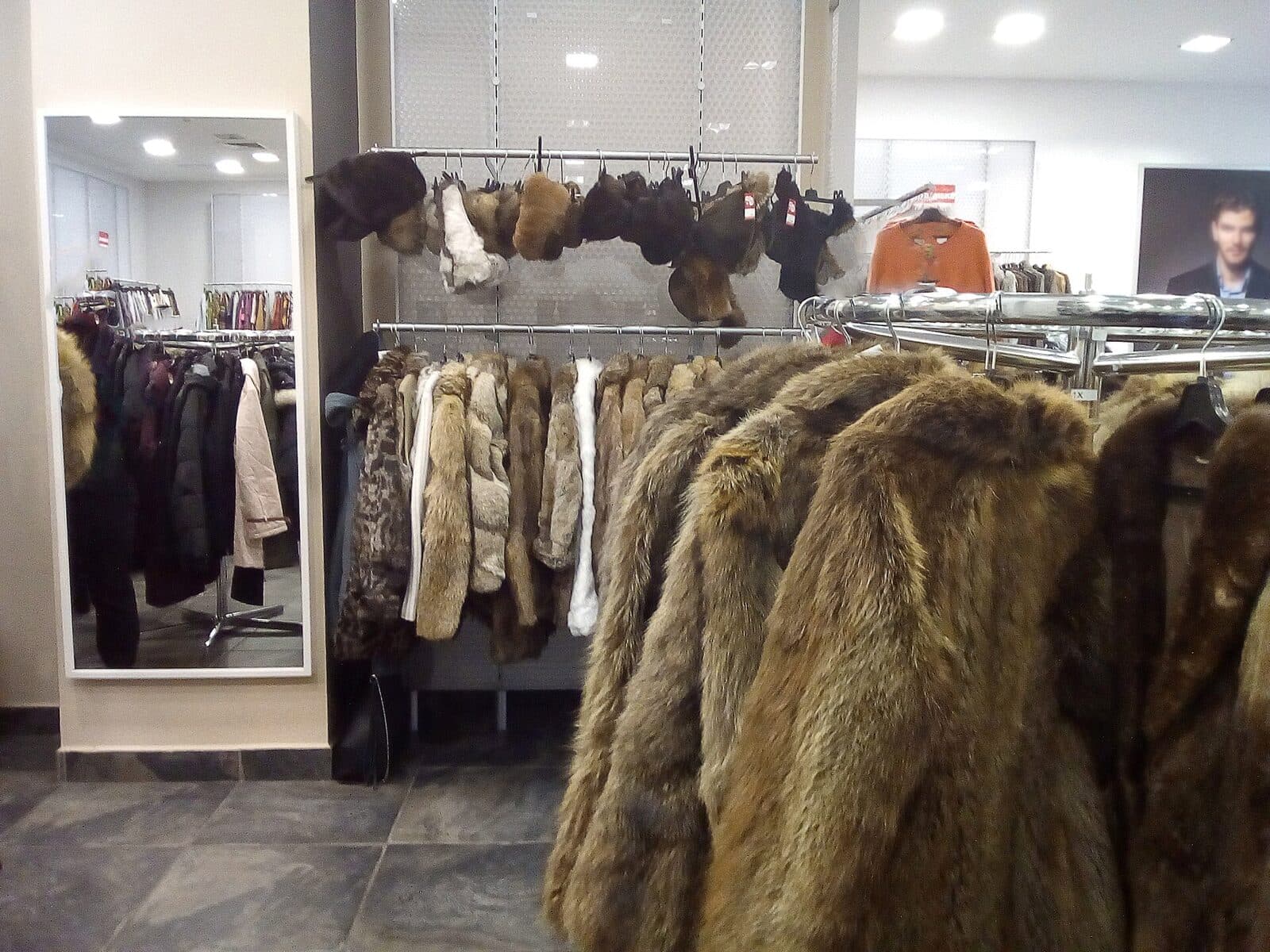
What common label terms really tell you.
- Faux mink / faux fox
- An imitation style. It should not mean that mink or fox is present.
- Polyester / acrylic / modacrylic
- Actual textile fibre names. Percentages are more informative than a marketing name.
- Tissavel
- A faux-fur manufacturer or branded textile label. Check a second label for exact composition and care.
- Lapin
- The French word commonly used for rabbit. It indicates real rabbit unless “faux” or “imitation” clearly qualifies it.
- Rex rabbit
- A rabbit breed with a particularly even, plush fur. “Rex” alone should not be used as an unexplained luxury adjective.
- Sheared / plucked
- A finish, not a species. Guard hairs may be shortened or removed to reveal a softer, flatter underfur.
- Silver fox / blue fox
- Real-fur trade descriptions can refer to colour forms or categories. Faux textiles can imitate the same look, so the material field still matters.
- Vegan fur
- A marketing phrase for animal-free fur pile. Check the whole item if you also avoid leather, wool, silk, down or animal-based trims.
For UK listings: the label should show fibre content, including fur and other animal parts. [4] If the description and label disagree, do not quietly pick the answer you prefer—ask the seller to resolve it.
Ask for five useful photos.
Composition label
Shows fibre percentages or animal-origin wording more reliably than the listing title.
Care label
Reveals whether your real-life cleaning routine matches the item.
Parted backing
Helps distinguish dressed skin from a knitted or woven textile base.
Pile close-up
Shows guard hair, underfur, fibre tips, matting, bald spots and shedding.
Full inside view
Exposes lining stains, repairs, seam stress and missing maker labels.
Measurements
Material knowledge is useless if the shoulders, chest, sleeve or hood do not fit.
Common questions about fur types.
Is Tissavel a type of real fur?
No. Tissavel describes itself as a faux-fur manufacturer. The name can appear on vintage and newer garments, but it is a brand or textile-maker label rather than an animal species.
What is faux fur usually made from?
Common pile fibres include polyester, acrylic and modacrylic, used alone or in blends. The backing can have a different composition, so read the percentages on the garment or fabric label.
Is Rex the same as ordinary rabbit fur?
Rex is a rabbit breed and its fur is usually identified by a particularly even, plush pile with less obvious guard hair. A listing should still say “Rex rabbit” clearly rather than using “Rex” as vague luxury wording.
Does “faux mink” mean it contains mink?
No. “Faux mink” should describe a textile made to imitate the look or feel of mink. Check the full composition label if you also need to know whether the rest of the garment contains leather, wool, silk or down.
Can a photo prove the species of real fur?
A photo can narrow possibilities, especially when it shows the pile, colour pattern, backing and construction. Dyeing, shearing, plucking and wear can make species look similar, so photo identification should be presented as a likelihood unless labels or provenance confirm it.
Sources used for this guide.
Industry sources explain material terminology; government guidance carries the labelling claim.
- Processing fur: guard hairs, underfur, plucking and shearingFur Institute of Canada · Reference checked 25 August 2026
An industry explanation of fur structure and the finishes that can make one species look very different.
- What types of furs are used in the fur trade?Fur Institute of Canada / Truth About Fur · 24 March 2022
An industry overview used only to identify common commercial species and distinguish farmed, food-linked and wild sources.
- Tissavel heritageTissavel · Company history
The manufacturer describes Tissavel as a faux-fur company founded in France in 1953.
- Textile labellingGOV.UK · Guidance checked 25 August 2026
UK guidance requiring textile fibre content, including fur and other animal parts, to be shown on labels.
- What is faux fur fabric?Shannon Fabrics · Fabric manufacturer guide
A commercial textile example showing knitted faux-fur construction, pile height and an acrylic/polyester blend.