Faux fur vs real fur.
The honest answer is not “one is always better”. They are different materials with different care, sourcing and quality questions. Here is how to compare the actual piece in front of you.
Published and fact-checked: 25 August 2026
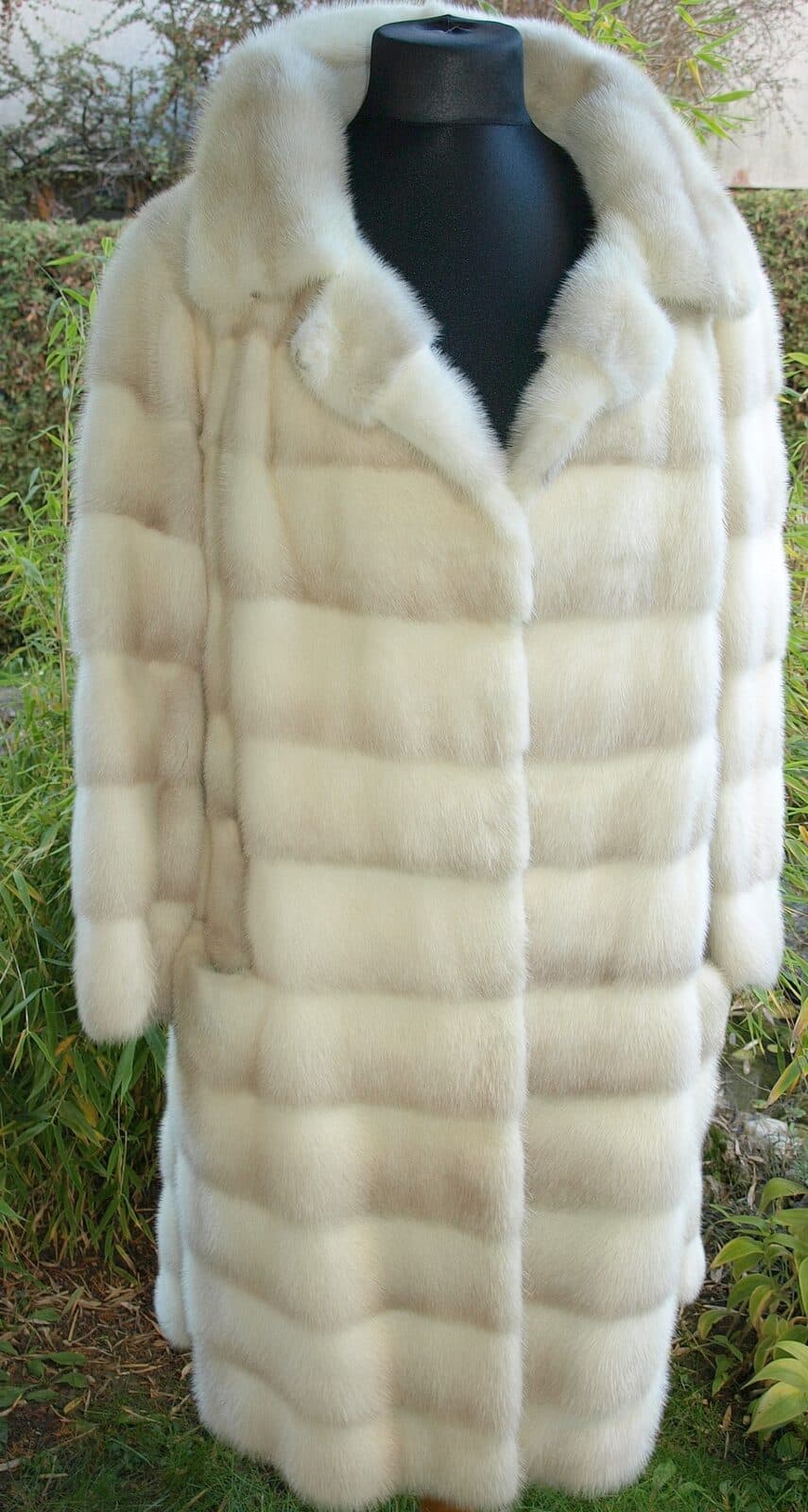 Real fur
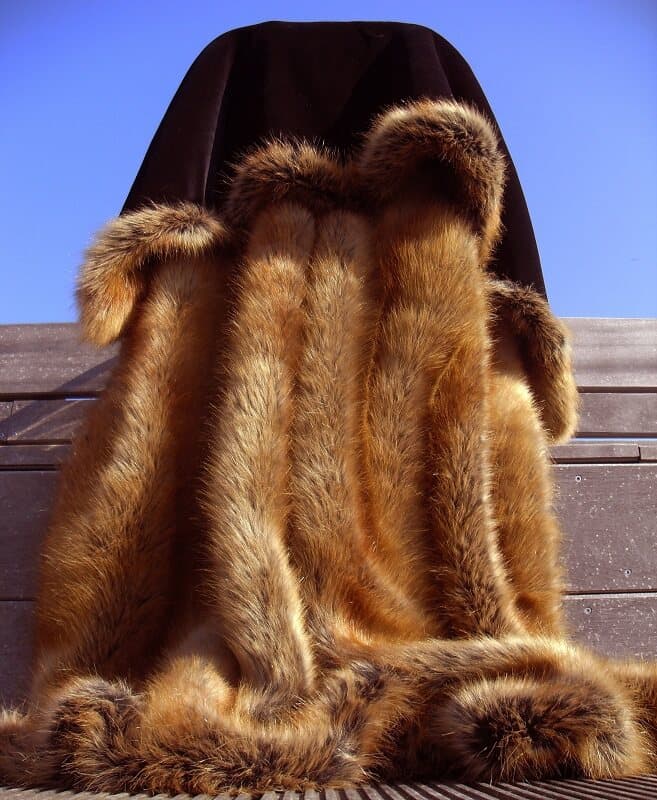 Faux fur
The short answer.
Real fur is animal hair attached to dressed skin. Faux fur is a pile textile fixed to a woven or knitted backing. To tell them apart, start with the composition label and the base beneath the pile—not price, colour or softness.
The differences that actually matter.
These are category-level patterns, not promises about every coat, trim, hood or throw.
| Question | Real fur | Faux fur |
|---|---|---|
| What it is | Animal hair attached to dressed skin. Many furs combine longer guard hairs with softer underfur. | A pile textile. The pile is commonly acrylic, modacrylic, polyester or a blend, fixed to a knitted or woven backing. |
| Base or backing | A leather- or suede-like skin beneath the hair. | A visible textile mesh, knit or weave beneath the pile. |
| Look and feel | Often has natural variation in hair length, taper and density, although shearing, plucking and dyeing can make it look very even. | Ranges from obviously synthetic shag to highly realistic multi-length pile with underfur and guard-hair effects. |
| Warmth | Can be very insulating, but species, density, lining, fit and garment coverage matter. | Can also be warm. Fibre, pile density, backing, lining and coat design matter more than the word “faux” alone. |
| Water and heat | Light rain is usually manageable with careful air-drying; soaking and direct heat can damage the skin. | Water tolerance varies, but high heat can permanently mat, curl or fuse many synthetic piles. |
| Cleaning | Usually needs a specialist fur cleaner rather than ordinary dry-cleaning or home washing. | Some pieces are washable and others are dry-clean-only. The garment care label decides. |
| Longevity | A well-made, well-stored piece can last for decades; dried skin, weak seams and friction can shorten that life. | Quality varies widely. Dense, well-anchored pile may wear well; low-quality pile can shed, flatten or heat-damage. |
| Price | New garments are often costly, while vintage and pre-owned prices can be surprisingly low. | Runs from budget fashion to expensive couture textiles. A realistic branded faux fur is not automatically cheap. |
| Values and impact | Uses an animal-derived material. Origin, whether it is new or vintage, traceability and welfare evidence can change the decision. | Avoids animal fur in the pile, but commonly uses synthetic polymers. Check the whole garment for leather, wool, down or other animal materials. |
Natural fur commonly has guard hair over softer underfur, but plucking and shearing can remove or shorten those obvious clues. [3] Faux textiles also vary by fibre, backing and pile construction. [4]
Use evidence in this order.
Read every label
Check composition, care and any animal-origin wording. UK guidance says textile labels must show fibre content, including fur and other animal parts. [1]
Part the pile at the base
Skin looks leather- or suede-like. Faux fur normally reveals a knitted, woven or mesh textile backing.
Inspect the tips
Natural hairs often taper and vary. Synthetic pile is often blunter and more regular—but sheared real fur can defeat this clue.
Ignore weak shortcuts
Softness, shine, colour and price are not proof. Premium faux can feel convincing, while pre-owned real fur can be inexpensive.
Ask for better photos
For an online listing, request the composition label, care label and a clear photo of the parted backing.
Leave uncertainty visible
If the evidence conflicts, describe it as unconfirmed. A confident seller message is not the same as a traceable material claim.
Skip the burn test. It can damage the garment, release unpleasant fumes and create a fire risk. The label, backing and specialist inspection are safer.
Tissavel is faux fur—but not a fibre name.
What the label tells you
Tissavel describes itself as a faux-fur manufacturer founded in France in 1953 and known for realistic imitation fur. [2] A Tissavel label is useful evidence that the fur is faux.
What it does not tell you
It does not automatically reveal whether that particular pile is acrylic, modacrylic, polyester or a blend. It also does not replace the garment’s care label.
Pick around your real priority.
Choose clearly labelled faux
Check the full garment too if you also avoid wool, leather, silk, feathers or down.
Assess the exact pre-owned piece
Look for supple skin, sound seams, low shedding, honest species information and a fit you will wear.
Find washable faux—then verify it
“Faux” does not mean machine-washable. Choose a piece whose own care label suits your routine.
Best general rule: buy the piece you will genuinely wear, verify what it is, and care for it well enough to keep it in use. For farm origin and welfare claims, see our sourced fur welfare guide.
Common comparison questions.
Is Tissavel real fur?
No. Tissavel describes itself as a faux-fur manufacturer. A Tissavel label identifies the maker or branded textile, not the exact fibre percentages, so check the separate composition label as well.
Is faux fur always polyester?
No. Faux fur may use polyester, acrylic, modacrylic or blends, and the backing can use a different fibre from the pile. The composition label is more useful than guessing from touch.
Is real fur always warmer than faux fur?
No blanket answer is honest. Species, pile density, wind resistance, backing, lining, length and fit all affect warmth. Compare the actual garments, not just the material category.
Can real fur be mistaken for faux fur?
Yes. Sheared or dyed real fur can look very uniform, and premium faux fur can copy natural guard hairs and underfur closely. The base, composition label and seller evidence are stronger than appearance alone.
Which one is more sustainable?
A single winner cannot be claimed without defining the product and evidence. New animal fur, vintage fur, low-cost synthetic faux, recycled-fibre faux and a long-worn quality garment have different supply chains and lifespans. Buy less, verify claims, care for it and keep it in use.
Sources used for this guide.
- Textile labellingGOV.UK · Guidance checked 25 August 2026
UK guidance stating that textile labels must show fibre content, including fur and other animal parts.
- Tissavel heritageTissavel · Company history
The manufacturer describes Tissavel as a French-founded faux-fur company and records its history from 1953.
- Processing fur: guard hairs, underfur, plucking and shearingFur Institute of Canada · Reference checked 25 August 2026
An industry explanation of natural guard hair, underfur and finishes that can alter the usual appearance of real fur.
- What is faux fur fabric?Shannon Fabrics · Fabric manufacturer guide
A commercial textile reference showing that faux-fur construction and acrylic/polyester blends vary by fabric.