Buy vintage fur with your eyes open.
A beautiful photograph can hide a tired coat. Check structure, measurements, labels and the sale terms before you fall for the colour—and know which questions deserve a clear answer.
Published and fact-checked: 3 September 2026
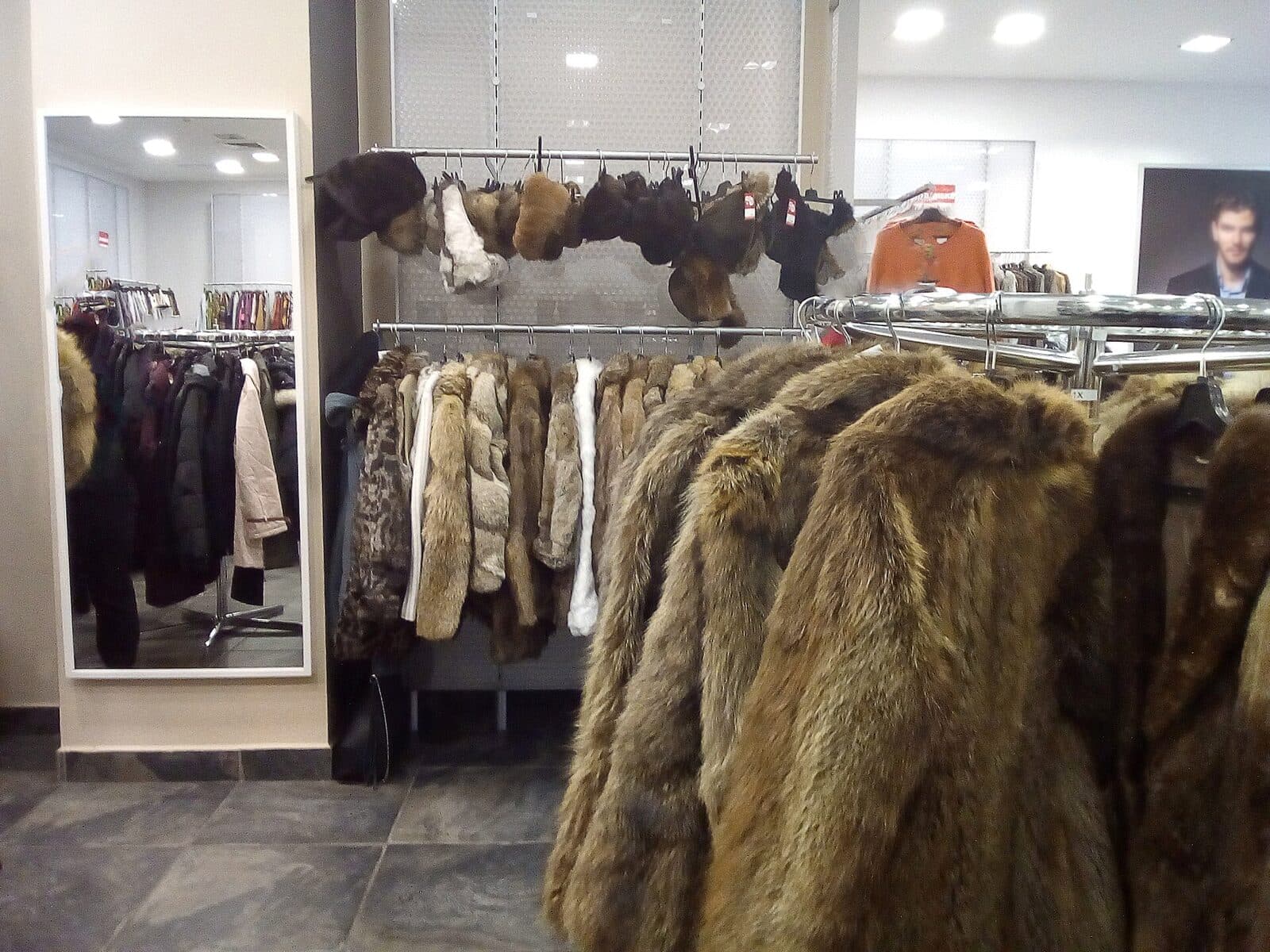 Look closely
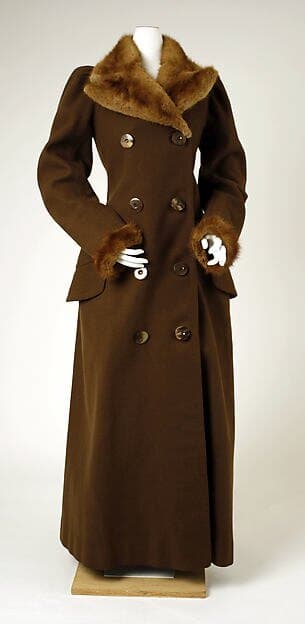 Measure twice
The 30-second buying rule.
Buy the condition and fit you can verify—not the species, age or bargain story you hope is true. Get useful photos, compare actual measurements, price in specialist cleaning or repair, and know your return position before paying.
Inspect the parts that do the work.
Fur and skin can lose flexibility, suffer physical damage and attract pests when storage is poor. Damp also raises the risk of mould. [1] Use those risks to guide a gentle, visual inspection—never a destructive pull test.
Start with the skin or backing
Part the hair carefully. Real fur should not reveal widespread cracking, powdery areas or obvious tears; faux backing should not be split, stretched or separating.
Check high-friction areas
Underarms, cuffs, pocket edges, shoulders and the seat of a long coat usually reveal wear sooner than a styled front photograph.
Follow every seam
Look for opening seams, old repairs, missing hooks, stretched buttonholes and a hem or lining that has detached from the body.
Notice shedding and bald spots
Avoid tugging. Instead, look for loose clumps, patchy loss and hair collecting on the lining or seller’s surface.
Ask about smell plainly
Use direct words: smoke, perfume, damp, musty or animal odour. “Vintage smell” is too vague to price the cleaning risk.
Read the lining as evidence
Stains, puckering, replacement panels and alterations can reveal use or repair that the outer fur disguises.
Handle a fragile piece gently. If the skin feels stiff or papery, stop flexing it. A specialist furrier or textile conservator can assess an important piece without turning an inspection into new damage.
Ask for photographs that answer something.
A useful photo request names the exact area, angle and detail you need. Save the listing and seller replies with your order records.
| Ask to see | What it can show | Pause when |
|---|---|---|
| The full front and back | Overall shape, uneven colour, crushed areas, missing fastenings and obvious repairs. | The listing only shows a styled front view or crops out the hem. |
| The composition and maker labels | Exact wording, country of manufacture, care instructions and whether labels look original to the lining. | A confident species claim appears without a readable label or other provenance. |
| The fur parted at the base | Leather-like skin for real fur or a knitted or woven backing for faux fur. | The seller will not show the base or describes softness as proof. |
| Underarms, cuffs and pocket edges | Friction wear, splits, thinning, bald spots and repairs in the hardest-working areas. | Only low-resolution or distant photos are available. |
| The lining, seams and hem | Tears, staining, loose stitches, altered hems and signs that the lining hides structural damage. | The lining is never shown or described despite visible wear elsewhere. |
A short video helps too: ask the seller to show the coat in daylight, open and close each fastening, lift the sleeves and move slowly across the surface. It reveals scale and condition more honestly than another filtered still.
Vintage fit lives in the measurements.
Compare like with like: measure a coat you already enjoy wearing, using the same method the seller uses.
Ask the seller for
- Underarm to underarm, with the coat fastened and laid flat.
- Shoulder width from seam to seam, or an explanation if it has raglan sleeves.
- Sleeve length, including whether it was measured from shoulder or underarm.
- Back length from the base of the collar to the hem.
- Upper-arm width and hem width when the silhouette is fitted.
Allow for the way you will wear it
- Compare with another coat, not a T-shirt or your body measurement alone.
- Leave room for knitwear if this is meant to be a winter layer.
- Remember that a thick lining and dense fur reduce the internal space.
- Check pocket placement, collar height and coat weight—not just whether it closes.
- Treat alterations as specialist work until a professional confirms otherwise.
Keep every claim at the level the evidence supports.
Current UK retail guidance requires fibre information and disclosure of fur and other animal parts in textile labels. [2] A genuinely old garment may have sparse, missing or pre-modern labels, so absence is not proof of material, species or age.
Readable original labels
Ask for every word, front and back. Maker, union, care, composition and retailer labels can each answer a different question.
Receipts and provenance
Dated photographs, receipts, alteration records and family history can support a story, but should be described honestly rather than upgraded into certainty.
Colour, softness and price
Dyed, sheared and plucked fur can defeat visual shortcuts. Premium faux can also be very convincing. See the separate identification guide.
Crossing a border? CITES controls can apply to clothing and antiques made from listed species. [4] Confirm the species and current requirements for both ends of the journey before paying. “Vintage” is not a permit.
The tag price is only the first number.
Condition is clear
The seller has shown the difficult areas, measurements work, odour is acceptable and the price still feels right without wishful repairs.
A specialist has seen it
Get an opinion before purchase when cleaning, relining, shortening or structural repair is part of the plan. A quote is better than a guess.
The evidence stays blurry
Missing measurements, hidden damage, pressure to pay, unsupported species claims or unclear returns are enough reason to leave it for someone else.
Before you press buy.
- I have the garment measurements and know how they were taken.
- I have seen the front, back, lining, labels and high-wear areas clearly.
- The seller answered directly about shedding, smell, storage, repairs and alterations.
- I know who the seller is, what returns apply and who pays return postage.
- I have checked border rules if the item will travel internationally.
- The total still works if professional cleaning or minor repair is needed.
Buying online from a UK business? Distance-selling rules generally give consumers a limited cancellation window, but exceptions and different rules can apply. [3]Private sellers and overseas purchases may be treated differently, so check the seller and terms—not just the marketplace logo.
Common vintage buying questions.
How can I tell whether a vintage fur coat is in good condition?
Check the whole garment rather than judging the shine of the hair. Look closely at the skin or backing, seams, underarms, cuffs, pocket edges, lining and fastenings. Ask about shedding, odour, stiffness, repairs and storage, and arrange a specialist inspection when the price or risk justifies it.
Is a little shedding normal on vintage fur?
A loose hair or two does not prove failure, but repeated shedding, clumps, bald areas or skin that tears with very gentle handling are reasons to stop. Do not pull or stress-test a garment that may already be fragile.
Can I trust the size written on a vintage label?
Use it only as a clue. Sizing systems, alterations, lining and intended layering all affect fit. Compare actual garment measurements with a similarly shaped coat you already wear.
Can odour be removed from a vintage fur coat?
Sometimes a specialist can improve odour, but smoke, damp, perfume and storage smells can be persistent. Ask the seller to describe the smell directly and treat a strong or musty odour as a cost and condition issue, not a guaranteed easy clean.
Do I have a right to return vintage fur bought online?
It depends on who sold it, where they are based and how the sale was made. UK consumers buying online from a business generally receive distance-selling cancellation rights, while a private sale can be different. Read the listing and returns policy and keep the description and messages.
Can vintage fur be shipped internationally?
Sometimes, but species and route matter. CITES and national rules can apply to clothing or antiques made from protected species. Do not rely on age, a marketplace listing or the word “vintage” as proof that no documents are needed.
Sources used for this guide.
- Caring for leather, skin and furCanadian Conservation Institute · Guidance checked 3 September 2026
Museum conservation guidance on physical damage, loss of flexibility, dust, pests, damp, mould and supportive storage for fur and skin objects.
- Textile labellingGOV.UK · Guidance checked 3 September 2026
UK guidance for manufacturers and retailers stating that textile labels must show fibre content, including fur and other animal parts.
- Accepting returns and giving refunds: the lawGOV.UK · Guidance checked 3 September 2026
A summary of UK refund rules, including the cancellation window that generally applies when a consumer buys online from a business.
- Check if you need a CITES permit to import or export endangered speciesGOV.UK · Guidance checked 3 September 2026
Official guidance explaining that CITES controls can apply to clothing and antiques made from listed species, especially when they cross borders.